Donate

domenica 4 gennaio 2026

Thunderbolts: Marvel's Wild Ride from Fake Heroes to the MCU's Misfit Saviors – And Why They're Poised to Explode in 2026

 If you've been anywhere near a screen or a comic shop lately, you've felt the electric buzz around the Thunderbolts. Marvel's ragtag crew of reformed villains, anti-heroes, and outright chaos agents has been shocking the system for nearly three decades in the pages, and now, fresh off their 2025 big-screen debut, they're primed to go viral like a Skrull invasion on TikTok. Buckle up as we dive deep into their twisted origins, iconic lineups, game-changing story arcs, and how the MCU just turned them into the New Avengers we didn't know we needed. Spoilers? Minimal, but consider this your thunderclap warning.

The Shocking Origin: Villains in Hero's ClothingPicture this: It's 1997, the Avengers and Fantastic Four are presumed dead after the Onslaught saga (that epic crossover where Professor X's dark side goes full apocalypse mode), and the world needs new heroes. Enter Baron Helmut Zemo, the scheming son of a Nazi war criminal and eternal thorn in Captain America's side. Zemo doesn't assemble a team of do-gooders—he rebrands his Masters of Evil as the Thunderbolts, complete with shiny new identities and tech upgrades courtesy of the Fixer. Zemo becomes Citizen V, Beetle turns into MACH-1, Screaming Mimi evolves into Songbird, and so on. Their debut? Taking down the Wrecking Crew and earning public adoration while secretly plotting to hack Avengers tech for global domination.This twist was pure genius from writers Kurt Busiek and Mark Bagley—think Suicide Squad meets Ocean's Eleven, but with capes. The team starts as a con, using a bio-modem to mind-control folks, but cracks form when members like Songbird and Atlas (formerly Goliath) catch the hero bug for real. They rebel against Zemo, team up with the returning Avengers, and boom: The Thunderbolts become legit fugitives-turned-vigilantes. It's a redemption arc that's equal parts gritty and heartfelt, proving Marvel's knack for turning bad guys into fan favorites.The Ever-Changing Roster: A Who's Who of Marvel's Moral Gray AreaWhat makes the Thunderbolts endlessly fascinating—and virally shareable—is their revolving door of members. No static lineup here; it's a mix of villains seeking redemption, government puppets, and straight-up psychos. Core originals include:
  • Baron Zemo (Citizen V): The manipulative mastermind who kicked it all off. He's led multiple iterations, always with an agenda.
  • Songbird (Melissa Gold): From Screaming Mimi to sonic powerhouse and heart of the team—her evolution is a fan-favorite redemption story.
  • Atlas (Erik Josten): The size-shifting strongman with a tragic backstory, often the moral compass.
  • Moonstone (Karla Sofen): Psychologist-turned-supervillain with energy powers; she's flipped sides more times than Deadpool breaks the fourth wall.
  • MACH-series (Abe Jenkins): Tech whiz who upgrades from Beetle to a flying arsenal; he's been in nearly every version.
  • Fixer (Paul Norbert Ebersol): Gadget guru who provides the toys—think Q from James Bond, but shadier.
Over the years, they've pulled in heavy hitters like Hawkeye (who led a reformed squad to earn pardons), Venom (Symbiote chaos ensues), Bullseye (Hawkeye's killer rival), Taskmaster (mercenary extraordinaire), Radioactive Man, and even Ghost Rider or Shang-Chi in brief stints. Recent rosters under Luke Cage turned it into a prisoner rehab program, adding Juggernaut, Crossbones, and Satana. And let's not forget the Dark Reign era with Norman Osborn at the helm—pure villainy disguised as heroism.Pro tip for viral potential: Fan theories abound on X about who could join next. One user floated Green Goblin to troll Spider-Man mains, while others geek out over Colossus vibes. It's this mix of unpredictability that keeps the memes flowing.Epic Arcs That Shaped the Marvel UniverseThe Thunderbolts aren't just sidekicks—they've been at the center of Marvel's biggest shake-ups. Key runs include:
  • Thunderbolts (1997-2003): The original con unravels, leading to dimensional exiles on Counter-Earth and battles with Graviton. Hawkeye's leadership arc here is gold—think tough-love training montages with villains.
  • Civil War (2006): As pro-registration enforcers, they hunt unregistered heroes, blurring lines between hero and oppressor.
  • Dark Reign/Siege (2008-2010): Under Osborn, they become his secret police during Secret Invasion, enforcing a twisted order until Asgard falls.
  • Heroic Age (2010-2012): Luke Cage's Raft-based rehab squad fights kaiju, undead hordes, and time-travel Nazis—yes, including Jack the Ripper and King Arthur shenanigans.
  • Secret Empire (2017): Zemo's back, using cosmic kid Kobik to rewrite reality for Hydra.
  • King in Black/Devil's Reign (2020-2022): Mayor Fisk's sanctioned squad battles symbiotes and vigilantes, with disposable grunts like Rhino and Doc Ock. Recent Cage-led version adds America Chavez and Monica Rambeau for a PR-friendly glow-up.
These arcs pack drama, betrayal, and social commentary—perfect for think-pieces that rack up shares. On X, fans are still raving about how the comics' last decade influenced the MCU casting, from Bucky's evolution to Yelena's edge.The MCU Thunderbolt: From Comics to Cinema GoldFast-forward to 2025: Thunderbolts* (note the asterisk—it's a cheeky nod to their rebrand) drops like a bolt from the blue, wrapping Phase Five with a bang. Directed by Jake Schreier, it stars Florence Pugh as Yelena Belova (stealing scenes as the reluctant leader), Sebastian Stan's Bucky Barnes (now a congressman? Wild twist from Kevin Feige himself), David Harbour's Red Guardian, Wyatt Russell's U.S. Agent, Hannah John-Kamen's Ghost, Olga Kurylenko's Taskmaster, and Lewis Pullman's dual-role Bob Reynolds/Sentry/Void—a powerhouse exploring depression and trauma.The plot? Valentina (Julia Louis-Dreyfus, chewing scenery) assembles these misfits for a shady op involving a superhuman project gone wrong. It culminates in a Void-fueled darkness over NYC, with the team hugging it out—literally—to save the day. They rebrand as the New Avengers, setting up Avengers: Doomsday with a post-credits tease of the Fantastic Four's ship. Critics loved it (88% on Rotten Tomatoes, highest-rated MCU flick of '25), praising Pugh's BASE jump stunt and the ensemble chemistry, though box office was meh at $382M—blame the recession, not the vibes.X is ablaze: Fans geek over Bob/Yelena ships, Bucky's political glow-up, and how it "feels like old-school MCU." One viral clip of Yelena's one-liners has millions laughing, while edits of the Void's darkness hit emotional highs.Why Thunderbolts Are Going Viral in 2026 – And What's Next?In a post-Endgame world craving nuance, the Thunderbolts deliver: They're not flawless heroes; they're flawed folks fighting inner demons as much as outer threats. With Doomsday looming (May 2026), expect crossovers galore—maybe Zemo sneaks in? Fan art of Lego versions and "instantly iconic" moments are flooding feeds, proving this team's staying power.


Marvel Television’s Wonder Man | Official Trailer

Il Mondo Parallelo dei Manga

Lancia Y HF: PIÙ VELOCE DELL'ALFA ROMEO in PISTA? | IL TEMPO SUL GIRO

Ho provato 40 moto nel 2025: ecco quali hanno davvero senso

Servizio al tavolo #26 - Mario Petrolo Ristorante Pizzeria l’infinito sta trasmettendo dal vivo.

Burro Chiarificato INALPI SpotTV 2025

Lucarelli: la bellezza e i social

Fenaroli: il lampadario in cristalli di Boemia illumina il teatro

Arte e oligarchi | Chi controlla davvero l'arte contemporanea?

Oroscopo del Giorno 04/01/2026

Passion Meteo . Meteo 15 giorni : maltempo sul centro Italia Epifania e dopo freddo artico neve ?

La psicologia delle persone che non festeggiano il nuovo anno | Carl Jung.

Nox Intempesta - Die Lieder von Tod und Ewigkeit (Full EP)

Skrilla - RYLO (video musicale ufficiale)

L'impero di Cluny. I monaci della corte celeste di Glauco Maria Cantarella (Carocci)

 Il nome di Cluny evoca un connubio indissolubile di spiritualità e potere; tra il X e il XIII secolo, infatti, il monastero che fondò la sua regola sul silenzio si trasformò nell'abbazia più grande della cristianità occidentale, un vero impero della fede, più potente della stessa Roma papale. Il volume racconta come quella di Cluny non fu solo una storia di osservanza e innovazione della regola benedettina, ma un'inarrestabile ascesa spirituale che, grazie al carisma degli abati e all'ambizione di dominare il mondo monastico, rese i suoi monaci un'aristocrazia della preghiera, capace di trattare alla pari con papi e imperatori. Cluny fu il centro di un grande impero che estendeva le sue reti nell'Europa occidentale, dalla Borgogna all'Italia, alla penisola iberica all'Inghilterra. I monaci cluniacensi erano la corte celeste che aveva come perimetro il mondo terreno e come prospettiva i cieli divini. Il percorso tracciato da questa aristocrazia della fede non fu lineare ma fu inarrestabile, la sua influenza mutò nei secoli, e pian piano si spense, molto lentamente


P.P.Pasolini: l’ossimoro vivente di Donato Di Poce ( I Quaderni del Bardo Edizioni di Stefano Donno)

 L'intellettuale più scandaloso del '900 come non l'avete mai letto - Perché Pasolini è, oggi più che mai, un "ossimoro vivente"? A 50 anni dalla sua tragica scomparsa, questo saggio appassionato di Donato Di Poce va oltre il mito e la cronaca, restituendoci l'intellettuale nella sua interezza. Poeta e cineasta, marxista e religioso , corsaro e critico: Pasolini è stato la contraddizione vivente che ha svelato le ipocrisie del potere. P.P.Pasolini: l'ossimoro vivente non è solo un omaggio, ma un'analisi militante che esplora l'intera galassia pasoliniana: dalla poesia al cinema , dalla narrativa al teatro di parola. Un viaggio nella "disperata vitalità" dell'autore più necessario del Novecento. Un libro fondamentale per chi non si accontenta delle definizioni facili e cerca ancora la verità "negli opposti"


In copertina: 
©Max Marra, “Omaggio a Pier Paolo Pasolini”, 1988. - Foto di Gigi Angiolicchio.


sabato 3 gennaio 2026

Il Grande Ritorno alla teoria del Cortile di Casa: Trump, Maduro e la "Nuova" Dottrina Monroe - ecco cosa ne penso

 Non chiamatelo soltanto colpo di mano. Quello che sta accadendo in queste ore tra Washington e Caracas, con la notizia deflagrante della "neutralizzazione" politica di Nicolás Maduro, non è un semplice episodio di cronaca estera. È la firma in calce al nuovo ordine mondiale secondo Donald Trump. È il ritorno prepotente, muscolare e senza vergogna della Dottrina Monroe.


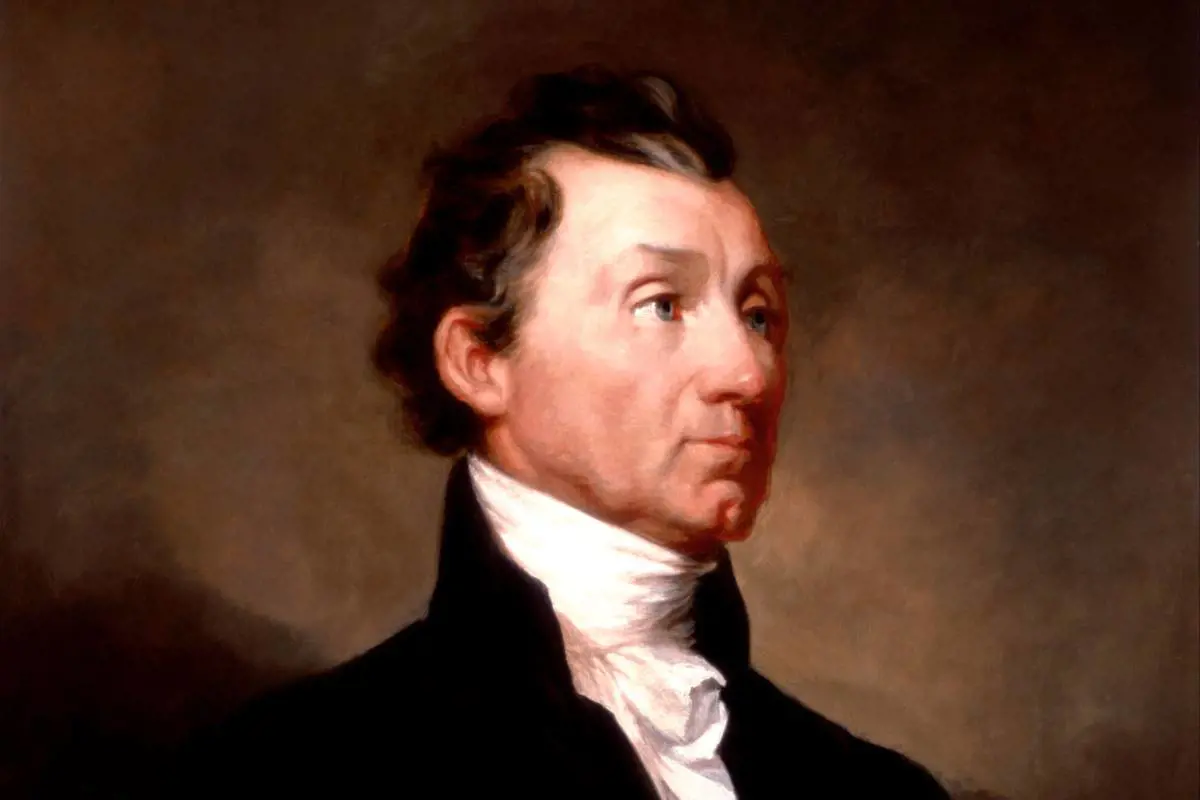
James Monroe, quinto presidente degli Stati Uniti, nel 1823 pronunciò la frase che oggi risuona come una sentenza nelle cancellerie di mezzo mondo: "L'America agli americani". Per due secoli quella frase è stata tutto e il suo contrario: scudo contro il colonialismo europeo prima, clava dell'imperialismo yankee poi. Oggi, nel 2026, Donald Trump la rispolvera togliendole la polvere della retorica diplomatica e trasformandola in un avvertimento cinetico.

L'operazione contro Maduro non va letta con le lenti moralistiche dei diritti umani – lenti che alla Casa Bianca hanno smesso di usare da tempo – ma con quelle del puro realismo offensivo. Il Venezuela non è stato colpito perché è una dittatura (ce ne sono tante altre amiche di Washington), ma perché era diventato la portaerei di Mosca e Pechino nel Mar dei Caraibi. E questo, nella logica del "nuovo" Trump, è il peccato capitale.

Siamo di fronte a un cambio di paradigma brutale. Fino a ieri ci chiedevamo se gli Stati Uniti si fossero ritirati dal mondo. La risposta, paradossale, è sotto i nostri occhi: l'America si ritira dal "globale" per fortificarsi nel "regionale". Trump non vuole fare il poliziotto del mondo in Ucraina o nel Mar Rosso se non gli conviene; ma nel suo emisfero, nel suo "cortile di casa", non tollera inquilini abusivi. Il messaggio inviato a Russia, Cina e Iran è chiarissimo: giocate pure a scacchi in Eurasia, ma se mettete un pedone nelle Americhe, noi rovesciamo il tavolo.

C'è un'ironia storica in tutto questo. Mentre l'Europa si interroga ancora sulle procedure e sulle sanzioni, gli Stati Uniti agiscono con la rapidità spietata del Corollario Roosevelt, quella variante del 1904 che autorizzava Washington a esercitare un "potere di polizia internazionale". Maduro è caduto non per la pressione delle piazze, ma perché ha violato la linea rossa invisibile tracciata duecento anni fa.

Che piaccia o no, l'era delle ambiguità è finita. L'America non esporta più democrazia, esporta sicurezza per sé stessa. E chi pensava che l'isolazionismo trumpiano significasse pacifismo, oggi ha avuto un risveglio molto brusco. Il "secolo americano" forse è finito, ma il "continente americano" è tornato ad essere proprietà privata.

(Stefano Donno)


Quattro profeti del disincanto. Un saggio necessario per decifrare l'Italia

In Evidenza

Copertina Libro Gagliani

"Quattro profeti del disincanto. Un saggio necessario per decifrare l'Italia."

Acquista il Volume

Scopri "Erotismo e Peccato" di Elisa Longo. Un viaggio poetico tra anima e corpo

In Evidenza

Erotismo e Peccato Elisa Longo

"Quando la scrittura diventa carne e l'anima si svela."

ACQUISTA ORA

Pelle accesa - Burning Skin di Maria Caspani (iQdB)

In Evidenza

Copertina Pelle Accesa

"Quando la lingua cambia, cambia anche il dolore."

ACQUISTA ORA

Le ricerche degli italiani nelle ultime 24 ore svelano un mix di cronaca nera, scandali internazionali e colpi di scena sportivi. Ecco il riassunto essenziale di ciò che sta accadendo oggi, 15 Gennaio 2026.

Le ricerche degli italiani nelle ultime 24 ore svelano un mix di cronaca nera, scandali internazionali e colpi di scena sportivi....